
Why I Practice Falun Gong & The Unexpected Benefit it Has to My Relationships
Why do I practice Falun Gong (Falun Dafa)? This goes back many years to when I was a kid. I wasn’t anything out of the ordinary—average grades, loved gaming and hanging out with friends, and terrible at sports (I couldn’t kick a football to save my life).

(courtesy of Allen Huang)
Everything seemed normal, but I had a bit of a temperament. Not the obvious kind—I was petty and bottled things up. Calling me a toxic gamer might be a stretch (at least in my opinion), but I definitely had traits I wasn’t proud of. That mix of pettiness and shame created a vicious combo that likely contributed to a depressive state when I was 15.
My Encounter with Falun Gong
I first heard about Falun Gong from my mother, but at the time I was more interested in wasting my days—scraping by in school, gaming, and racing toward diabetes with all the soft drinks I drank.
Safe to say, I thought meditation was something for more “mature” people (which is still kind of true).
The idea of doing it felt embarrassing, but the stress of final exams in Year 12 proved to be a stronger force. Honestly, my reputation could get stuffed—I needed grades. I was willing to try anything (within the rules, of course).
So I gave it a crack. I learned the exercises and read the main text, Zhuan Falun, during study breaks (ironically).
Did I suddenly achieve zen and top all my classes? Nope. But I passed—and as they say, “Ps get degrees.”
I wasn’t expecting instant transformation or miracles to save my unstudious self. What I didn’t expect, though, was how long I’d stick with the practice—almost 10 years now, as I’m nearing 28 at the time of writing.
So why did I stick around?
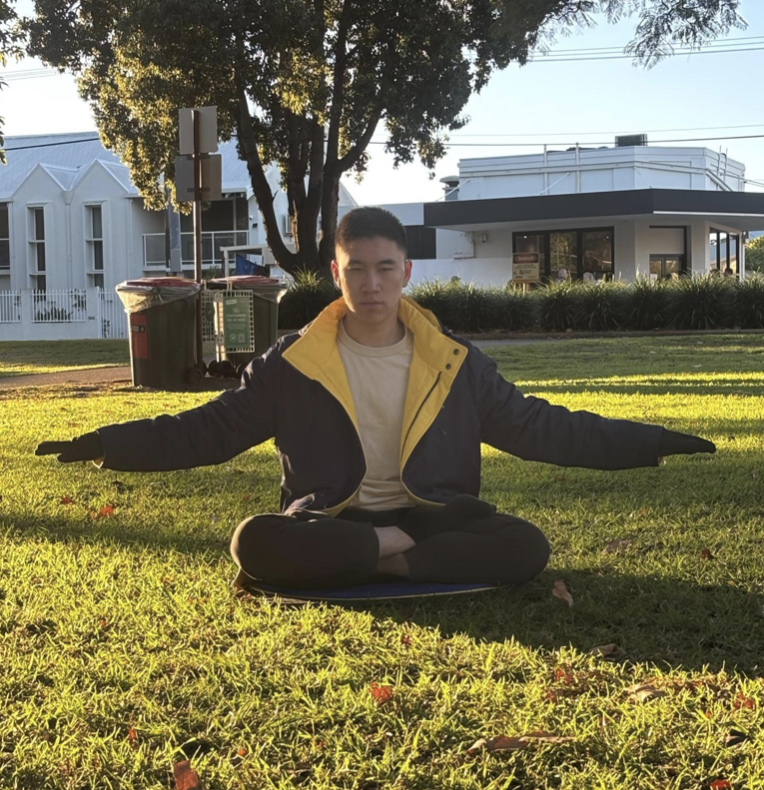
(courtesy of Allen Huang)
What Kept Me Going with the practice was the element of looking within
It turns out the practice involves much more than meditation. The book covers topics you wouldn’t typically expect from practices like Tai Chi or Yoga—like how to deal with everyday challenges.
You might be thinking: “That’s not so special—there are tons of self-help books and content online for that.”
And you’d be right. But what stood out to me was that while much of that content focuses on what to gain—skills, traits, habits—this practice also emphasizes what to let go of.
It teaches you to “look within” rather than “look outward.” In other words, when problems arise, reflect on what you can improve, rather than focusing on what others should change.
This is where things started to shift for me.
I used to get triggered easily and blame others or the world. In reality, I was avoiding the fact that I was often the source of my own problems. It sounds obvious, but in the moment, it’s hard to see that when you point a finger, three point back at you.
That changed as I continued practicing.
Fundamentally Changing My Outlook On Life to Form More Positive Relationships
I used to get annoyed when my mum asked for help while I was gaming. Then I realised—helping is just a good thing to do. And it actually made me feel better too (who would’ve thought?).
I moved away from excessive sugar, got my gaming under control, and stayed clear of drugs and hedonistic nightlife.
But the biggest improvement was in my relationships.
At work, I often felt things were unfair—that others weren’t doing their part. Sometimes that was true. But by “looking within,” I started to see that many issues were just minor inconveniences or the result of understandable circumstances.
And even when they weren’t, I realised I can’t control others—but I can control how I respond.
I built strong relationships with coworkers (many of whom are now close friends), improved things with my managers, and strengthened my relationship with my mum too.
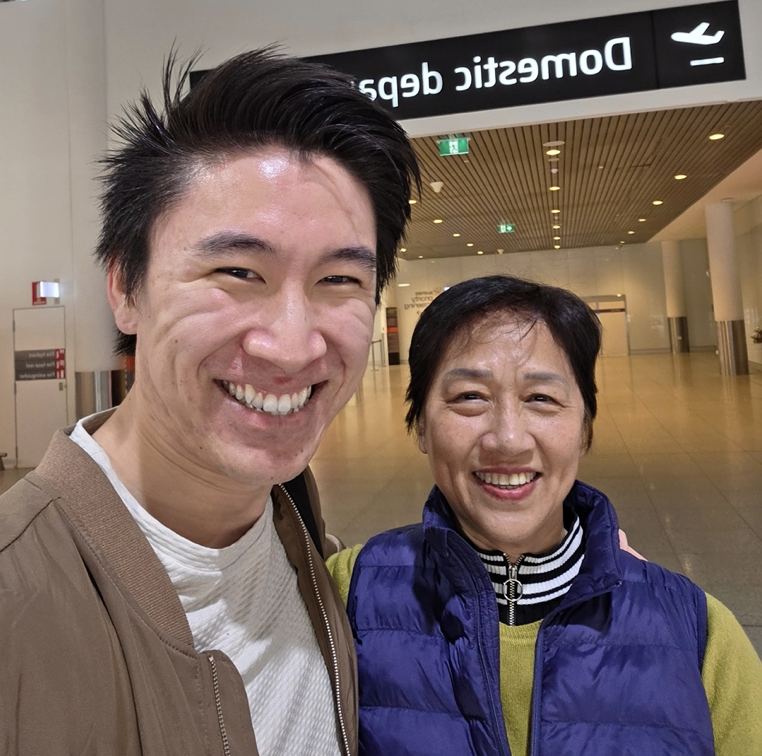
(courtesy of Allen Huang)
A More Mature State of Mind
It turned out to be the help I didn’t know I needed. Through the practice, I came to see that many of my struggles were rooted in fear, jealousy, and quiet resentment—things I didn’t need to hold onto.
And I’m not alone. I’ve met some of my closest friends through this practice—a tight-knit group that talks about everything, from deep conversations to dumb banter.
If this resonates with you, feel free to join us. We’ll save a steak and sausage for you.
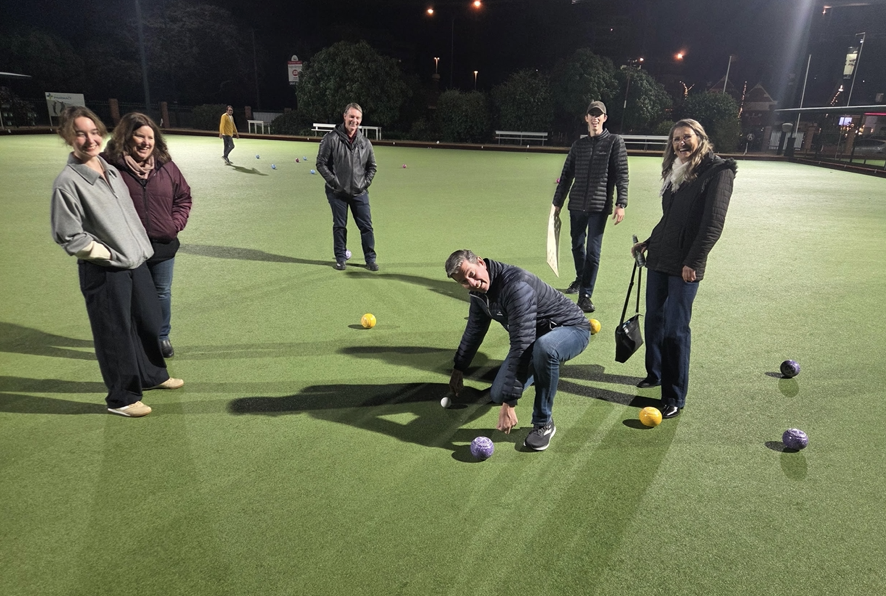
(courtesy of Allen Huang)
~~
We hope you enjoyed reading this post.
‘Learn Falun Gong—Australia’ is a website run by Australian Falun Dafa volunteers for the benefit of the general public. Falun Dafa is always taught free of charge.
Falun Dafa volunteers are currently holding free online classes where you can learn the exercises from the comfort of your own home. Feel free register your interest here.
Disclaimer: Individual results may vary. Information is provided as a guide only, and does not take the place of professional or medical advice.